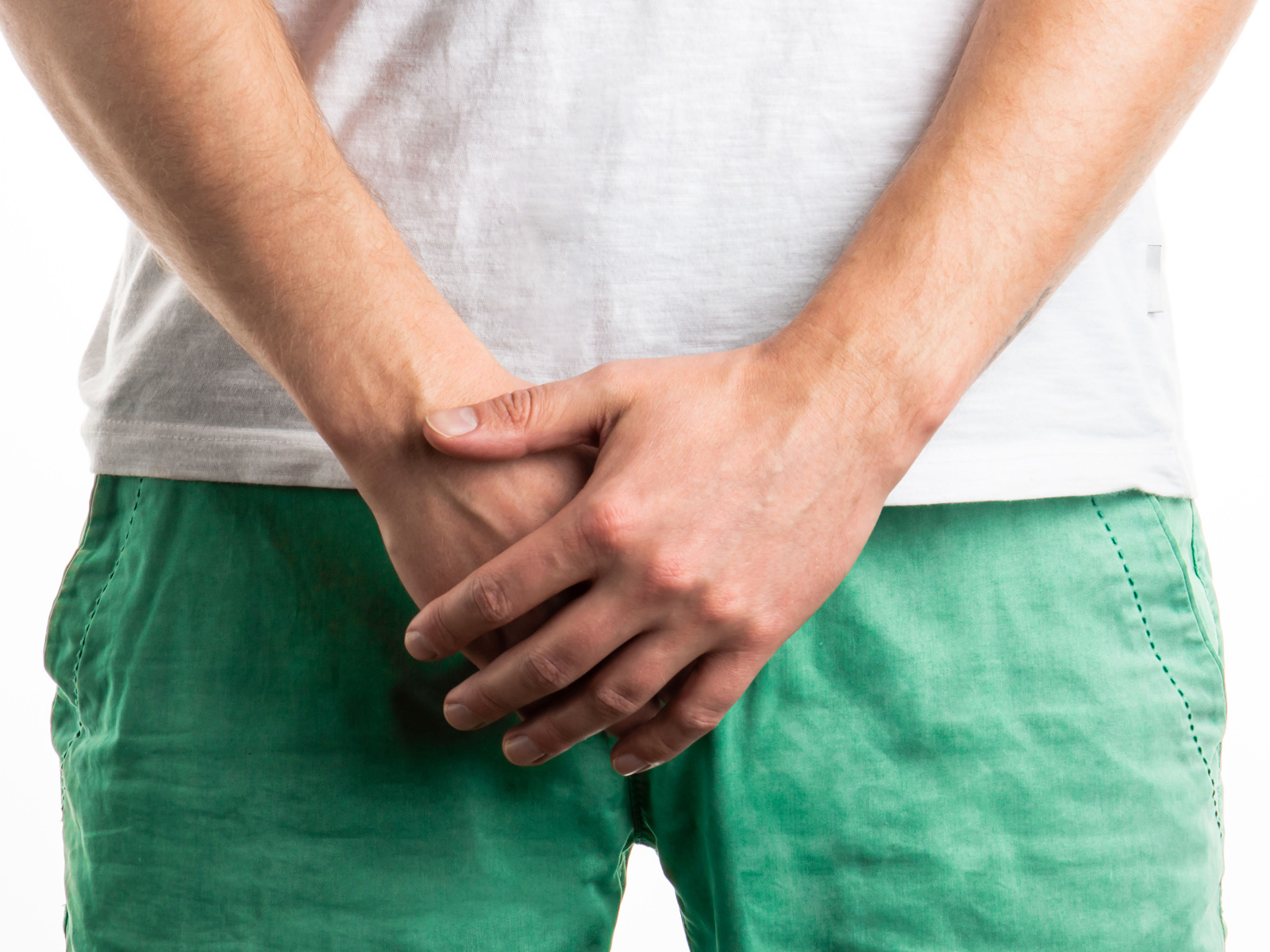
The most common erectile dysfunction symptoms
Learn to identify the symptoms of erectile dysfunction early (and what isn't ED-related). Understand what steps you can take to address them.
When things aren’t going as expected in the bedroom, it’s tempting to brush it off as a one-time thing. Maybe it was a stressful week or just an off night.
But if it starts happening more often, it could be time to take a closer look. Erectile dysfunction (ED) is real, it’s common, and yes, it can happen to you too.
Here’s the good news: the sooner you spot the signs, the sooner you can get back on top. Let’s break down the most common symptoms of erectile dysfunction.
Why can't I keep an erection? Understanding what erectile dysfunction really means
Struggling to keep an erection is one of the main signs of erectile dysfunction. It’s not just about getting things going, it’s about keeping them going too.
For some, ED creeps in gradually, with those off nights becoming more frequent, and over time, erections may become less firm or shorter-lasting. For others, especially when psychological factors are in play, it can happen unpredictably, like flipping a switch.
You might notice that erections aren’t as firm as they used to be, or that they don’t last long enough for satisfying sex. Either way, if it’s becoming a pattern, it’s worth paying attention to.
Common erectile dysfunction symptoms
Not all erection issues are the same, and ED can show up in a few different ways. Here’s a breakdown of the main symptoms to look out for:
- Trouble getting an erection – Sometimes, even when you’re in the mood, your body doesn’t respond the way it used to. If it’s taking longer to get an erection, or it’s not happening at all, it may be one of the first signs of ED.
- Trouble keeping an erection – If you’re able to get an erection but find it fades before you want it to, that’s another common sign. It may point to issues with blood flow, nerve function, or emotional stress.
- Erections that aren’t firm enough for sex – You may still get an erection, but it’s not firm enough for penetration or enjoyable sex. If this happens regularly, it could be a clear indicator of ED.
- Psychological symptoms – Erectile dysfunction isn’t just physical; it can take a serious toll on your mental state, too. One of the most common psychological symptoms is a hit to your confidence. Even a single experience of ED can trigger feelings of emasculation and embarrassment, making you second-guess yourself the next time around.
Some men feel like they’re letting their partner down, which can lead to anxiety, rumination, and even feelings of isolation. That anxiety can sometimes create a vicious cycle: the more you worry about it, the more it happens.
Feelings of shame, low self-worth, and changes in body image can also come into play. These emotional effects can build over time, making it even harder to feel confident and relaxed during intimacy.
Myth busting: what not to confuse with erectile dysfunction
Let’s clear up a few things:
- Loss of interest in sex isn’t necessarily ED-related – While ED and low libido can show up together, they’re not the same. You might still feel desire even if you’re having trouble with erections.
- Issues with ejaculation aren’t the same as erectile dysfunction – Ejaculation problems, like finishing too quickly or not at all, are different conditions that may need different kinds of treatment.
- The occasional off night isn’t considered erectile dysfunction – Everyone has the occasional misfire. ED is only considered a concern when it becomes a regular issue that impacts your sex life or self-esteem.
At what age do guys have trouble getting hard?
If you’re having issues, you’re not alone. ED is more common than most people think, affecting around one in ten men 2. It can happen at any age, though it tends to become more common with age2,4.
That said, younger men can experience it too, especially if lifestyle factors like smoking, heavy alcohol use, or stress are involved.
The key thing to remember? You don’t have to stay quiet about it. Opening up and seeking help is a powerful first step toward feeling better.
Can erectile dysfunction be a symptom of something else?
Sometimes ED is more than just a bedroom issue; it can be an early warning sign of other health concerns. Conditions like heart disease, diabetes, or hormone imbalances can first show up as changes in erectile function.
So if you’re noticing persistent symptoms, it’s worth checking in with your doctor, not just for your sex life, but for your overall health.
When to seek help with erectile dysfunction
Knowing when to reach out for support can make a big difference. If erection issues are happening more often than not, it’s a sign to talk to your GP. Ignoring the problem won’t make it go away, and in some cases, ED can be a sign of underlying health issues.
Signs it’s time to talk to your doctor:
- It’s happening regularly, not just now and then.
- You’re experiencing other symptoms like chest pain or shortness of breath.
- It’s affecting your confidence or your relationship.
Seeing your GP isn’t as daunting as it might seem. They’ve heard it all before and can help figure out what’s going on. In some cases, small lifestyle changes can help. In other cases, medical support might be needed.
Taking the next step
If you’ve been reading this thinking, “Yep, that’s me,” it may be time to take action. The important thing is you don’t have to face this alone. Talking to your GP is the first step. They can work with you to find solutions that suit your needs.
One of those options might be SPONTAN, a prescription treatment designed to support you in getting back to where you want to be. With the right help, you can take charge and move forward with confidence.
So, why wait? Reach out, start the conversation, and take the next step toward feeling more like yourself again. Your best days are still ahead of you.
References
- https://www.health.harvard.edu/a_to_z/impotence-erectile-dysfunction-a-to-z
- http://www.healthdirect.gov.au/erectile-dysfunction
- http://www.niddk.nih.gov/health-information/urologic-diseases/erectile-dysfunction/symptoms-causes
- http://journalspress.com/LJRHSS_Volume22/Psychological-Factors-behind-Erectile-Dysfunction.pdf
- http://www.mayoclinic.org/diseases-conditions/erectile-dysfunction/symptoms-causes/syc-20355776
- https://www.nhs.uk/conditions/erection-problems-erectile-dysfunction/
- http://www.medicalnewstoday.com/articles/what-does-erectile-dysfunction-feel-like
- http://patient.info/mens-health/erectile-dysfunction-impotence
- https://www.urologycenterofflorida.com/blog/can-anxiety-cause-erectile-dysfunction
- https://onlinelibrary.wiley.com/doi/full/10.1002/tre.827?redirect=false
- https://academic.oup.com/smoa/article/9/6/100434/6956831?login=true