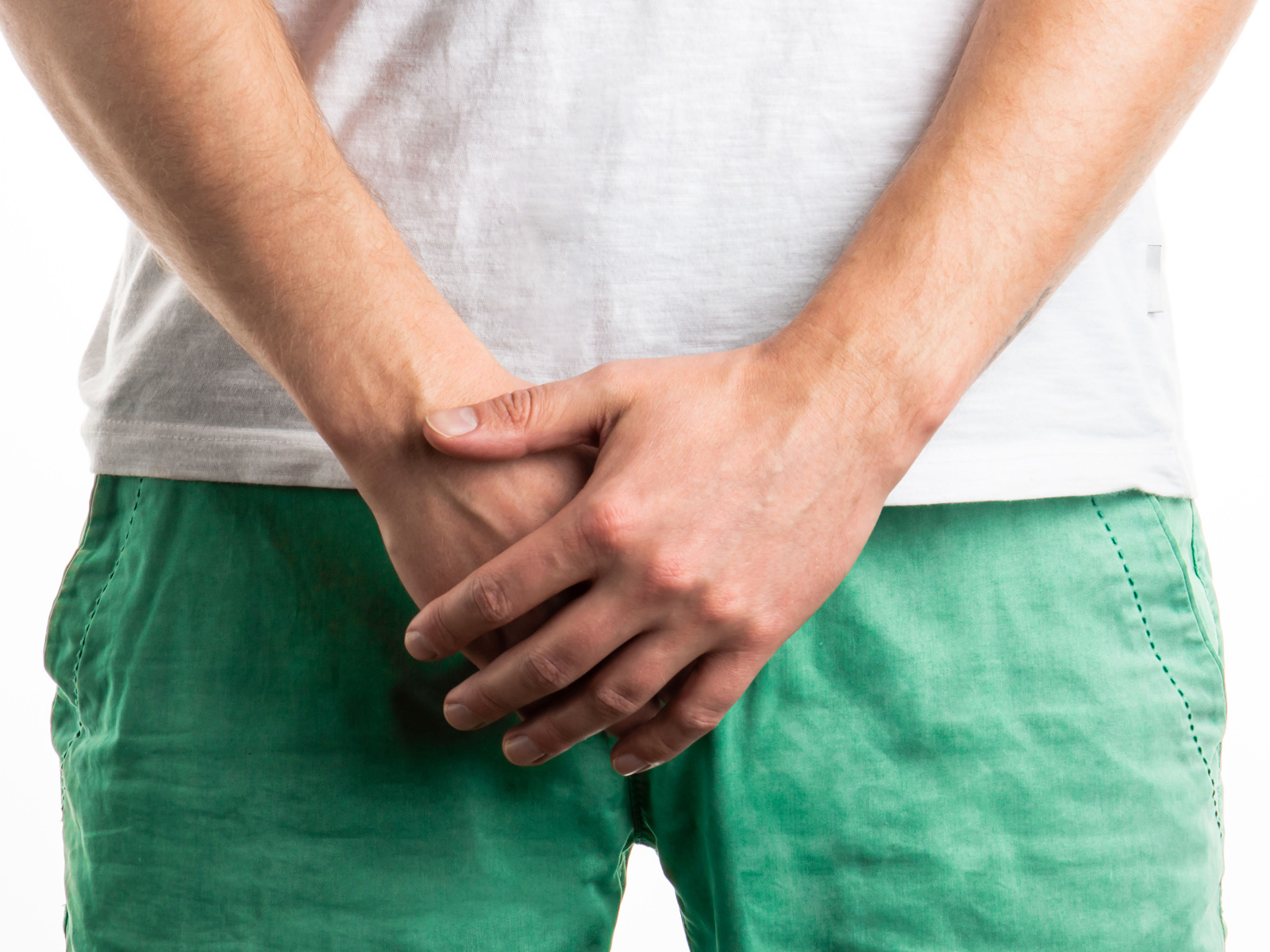
What causes erectile dysfunction?
Discover the common causes of erectile dysfunction, including physical, psychological, and lifestyle factors, and find out what’s affecting your sexual health.
Erectile dysfunction (ED) isn’t just something that happens to ‘other people.’ It’s incredibly common, and it can affect men at any age, whether you're 25 or 65.
If you've noticed things aren't quite working the way they used to, you're far from alone.
ED can knock your confidence, strain relationships, and leave you wondering what’s going on. But the good news? It’s treatable. In many cases, getting to the bottom of what’s causing it is the first and most important step toward getting things back on track.
So, what’s behind it? That’s exactly what we’re here to unpack. From physical health to mental wellbeing and everyday habits, let’s take a closer look at the most common causes of erectile dysfunction and what you can do about them.
Physical causes of erectile dysfunction
Physical health plays a big role in sexual function. When blood flow, hormone levels, or nerve signals aren’t working the way they should, it can interfere with your ability to get or keep an erection.
Here are some of the most common physical causes of erectile dysfunction:
Poor blood flow
Healthy blood flow is essential for achieving and maintaining an erection. When blood vessels are narrowed or blocked, often due to conditions like atherosclerosis, it can reduce the amount of blood reaching the penis. This is one of the most common physical causes of ED, especially in older men.
Nerve-related conditions
Your brain and nervous system have a major impact on sexual function. Neurological conditions such as Parkinson’s disease, multiple sclerosis, or spinal cord injuries can interfere with the nerve signals that trigger an erection.
Chronic illnesses
Long-term health conditions can impact sexual performance in more ways than one. Diabetes, high blood pressure, high cholesterol, and metabolic syndrome can all affect blood flow, hormone levels, and nerve function, increasing the risk of ED.
Obesity
Carrying excess weight, especially around the belly, is strongly linked to erectile dysfunction. Obesity can affect blood flow, reduce testosterone levels, and increase the risk of conditions like diabetes and heart disease, all of which are known to contribute to ED.
Hormone imbalances
Low testosterone, thyroid disorders, or excess cortisol can all disrupt the hormonal balance needed for healthy sexual function. If you’re feeling unusually fatigued or low in mood, or are experiencing reduced libido along with ED, hormone levels could be a factor.
Prostate-related issues
Problems with the prostate, such as enlargement, cancer, or the side effects of prostate treatment, can affect erections. In some cases, surgery or radiation therapy can damage nerves or blood vessels involved in sexual arousal.
Peyronie’s disease
Peyronie’s disease causes scar tissue to form inside the penis, leading to curvature and sometimes pain during erections. It can also make achieving or maintaining an erection more difficult.
Psychological causes of erectile dysfunction
Mental health matters just as much as physical health. In fact, psychological causes are responsible for about 20% of erectile dysfunction cases2. Stress, anxiety, and relationship concerns can all impact your ability to relax and respond to arousal.
Common psychological triggers of ED include:
- Anxiety and performance pressure: It’s completely normal to feel nervous about sex, especially in a new relationship or after a previous experience with ED. But that unease can get in the way of arousal, making it harder to get or stay erect. ED can also create a feedback loop: the more anxious you become about it happening again, the more likely it is to occur. Recognising this cycle is often the first step to breaking it.
- Depression and mental health issues: Depression can reduce libido and disrupt the brain’s ability to send sexual signals. Anxiety, stress, or past trauma can also contribute to ED or make it worse.
- Relationship stress: Unresolved issues, lack of communication, or emotional distance can impact your ability to relax and connect during sex. When your relationship feels strained, ED can follow.
- Low self-esteem or negative body image: If you’re not feeling great about yourself, physically or emotionally, it can impact your confidence and desire for intimacy. Over time, this can contribute to a cycle of avoidance and further anxiety around sex.
Lifestyle-related causes of erectile dysfunction
Your daily habits can also have a big impact. Certain behaviours can damage blood vessels, reduce testosterone levels, or desensitise your response to real-life sexual encounters.
Lifestyle factors that can contribute to ED include:
Smoking
Smoking damages blood vessels and restricts circulation throughout the body, including to the penis. Over time, this can lead to less responsive erections and long-term ED risk.
Alcohol use
While a drink or two might help you relax, excessive alcohol can suppress the nervous system and reduce testosterone levels. It also makes it harder for the body to maintain an erection.
Lack of physical activity
Exercise is crucial for maintaining heart health, improving circulation, regulating hormone production, and promoting mental well-being. A sedentary lifestyle increases the risk of ED, especially when paired with other factors like obesity or stress.
Recreational drugs
Drugs like cannabis, cocaine, and amphetamines can interfere with brain function and hormone regulation. Regular use may increase the risk of developing ED or worsening existing symptoms3.
Overuse of pornography
You might be wondering: does porn cause erectile dysfunction? In some cases, yes. Excessive porn use can lead to pornography-induced erectile dysfunction (PIED)4.
Over time, watching loads of porn can train your brain to get more excited by pixels than by a real-life partner, which is hardly ideal when things move from the laptop to the bedroom.
It can make it harder to get or stay aroused during sex, especially with a partner. If you think this might be a factor, taking a break from porn could help reset your sexual response.
Medication and erectile dysfunction
Certain medications can interfere with sexual function as a side effect. In fact, around one in four ED cases may be linked to prescription drugs.
The most likely drugs to cause erectile dysfunction are:
- Antidepressants, which may affect libido and delay orgasm
- Blood pressure medications, especially beta blockers and diuretics, which can reduce blood flow to the penis
- Anti-ulcer and antihistamine medications, which may interfere with hormone levels
- Sedatives and tranquillisers, which can suppress arousal
- Painkillers, including opioids like codeine and oxycodone
- Hormone therapies and chemotherapy for cancer treatment
If you’ve recently started a new medication or take multiple prescriptions, it’s worth speaking with your GP. They may be able to adjust your dosage or suggest alternatives that don’t affect sexual performance.
Erectile dysfunction by age
ED becomes more common as men get older, but it’s not a guaranteed part of ageing. What often changes with age is the number of contributing factors.
Causes of erectile dysfunction in older men
As men age, ED becomes more common, but why? It’s partly because older men are more likely to have chronic health conditions or be on medications that contribute to ED. Changes in testosterone levels, reduced circulation, and nerve sensitivity all become more common with age6.
Causes of erectile dysfunction in young men
For younger men, ED is often more psychological than physical. Performance pressure, relationship anxiety, and pornography use are key contributors. That said, skipping sleep, living on takeaway, and binge drinking can impair your sexual performance.
The bottom line: no matter your age, ED is treatable, and you don’t have to live with it.
How to prevent erectile dysfunction
While not every case of ED can be prevented, making healthy lifestyle choices can go a long way. Here’s what helps:
Move your body
Regular exercise supports cardiovascular health, leading to better blood flow, which is essential for strong erections. And the benefits don’t end at improved circulation: exercise also supports hormone balance and reduces stress. Even a brisk walk each day can help.
Eat a heart-healthy diet
Focus on fresh fruits and vegetables, lean proteins, and healthy fats. A diet that’s good for your heart is also good for your sexual function.
Quit smoking and limit alcohol
Blood vessels and hormones are vital for healthy erections. Smoking damages blood vessels, while excessive drinking can lower testosterone and reduce sexual sensitivity. Cutting back can improve performance and overall well-being.
Sleep well
Sleep helps regulate testosterone and repair your nervous system. That’s why sleep disorders can throw your hormone levels off and reduce your interest in sex. Aim for 7 to 9 hours a night to support your energy, mood and libido.
Manage stress
Chronic stress takes a toll on your body and brain. Mindfulness, therapy, and downtime can all help you feel more relaxed and confident in the bedroom.
Review your medications
If you think your medications may be affecting your erections, don’t stop them suddenly, but do speak to your GP. They may be able to suggest an alternative with fewer side effects.
Can erectile dysfunction be cured?
In many cases, yes. The key is finding the root cause and choosing the right erectile dysfunction treatment for you. That might mean managing a health condition, improving lifestyle habits, or addressing mental health challenges.
For others, a prescription treatment like SPONTAN can offer support while addressing the bigger picture. It’s a medical option designed to help restore sexual confidence and function, giving you space to rebuild trust in your body and your relationships.
The most important thing to remember is that erectile dysfunction isn’t something you just have to put up with. It’s not a reflection of your worth, your masculinity, or your relationship. It’s a medical issue, and like most medical issues, it can be treated.
Whether you're just starting to notice erectile dysfunction symptoms or have been living with them for a while, speaking to your GP is a smart and empowering first move. You might be surprised by how straightforward the solutions can be.
Seek support, information and treatment so you can take control of your sexual health and get back to feeling like yourself again because a great sex life isn’t a bonus; it’s one of life’s better perks, and you deserve to enjoy it!
References
- https://www.healthdirect.gov.au/erectile-dysfunction
- https://www.sciencedirect.com/science/article/pii/S0363018823000798#bib0039
- https://www.niddk.nih.gov/health-information/urologic-diseases/erectile-dysfunction/symptoms-causes
- https://journalspress.com/LJRHSS_Volume22/Psychological-Factors-behind-Erectile-Dysfunction.pdf
- https://publichealth.jmir.org/2021/10/e32542/
- https://www.health.harvard.edu/mens-health/some-drugs-may-cause-your-erectile-dysfunction